Wednesday, July 30, 2025

Local Flavors, Healthy Choices: Savoring Regional Cuisine Without Derailing Your Diet

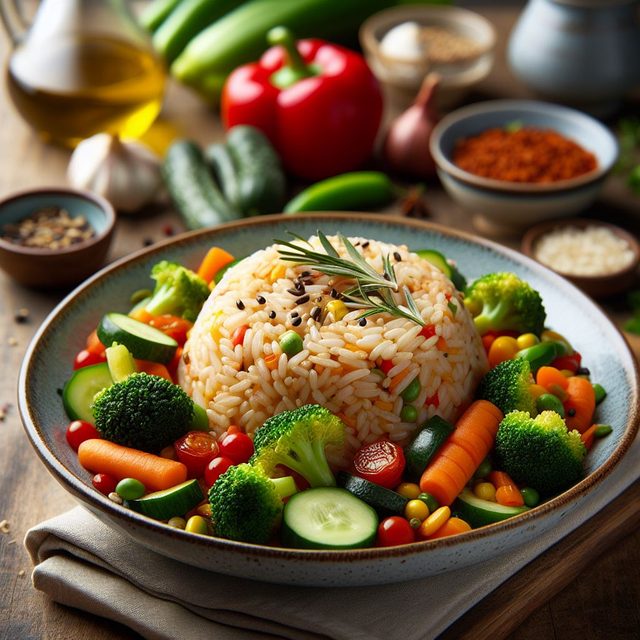
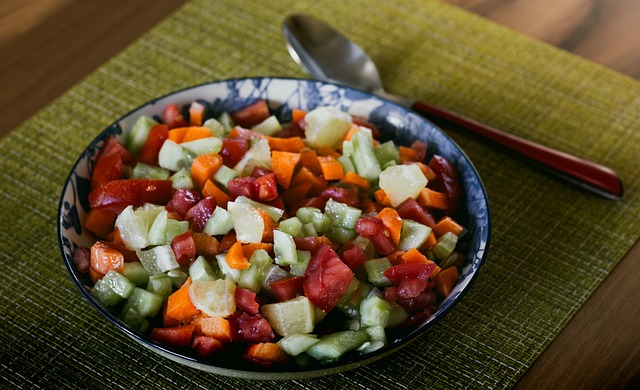
 Free Salad Food photo and picture

One of the greatest joys of travel is immersing yourself in the local culture, and few things offer a deeper dive than a region's unique culinary traditions. From the spicy street food of Thailand to the hearty stews of Ireland, sampling local flavors is an essential part of the adventure. But for those committed to a healthy lifestyle, the prospect of indulging can sometimes feel like a slippery slope to derailing all your hard-earned progress. The good news? You absolutely can enjoy regional cuisine to the fullest without sacrificing your health goals. It's all about making mindful, informed choices.

The key to this balance often begins before you even step foot in a new eatery: researching local restaurants in advance. A quick search can reveal a treasure trove of information. Look for establishments that pride themselves on using fresh, seasonal ingredients. Many restaurants now highlight healthier options or offer detailed menus online, sometimes even with nutritional information. This foresight allows you to scout out places that offer lighter fare, grilled options, or a good selection of vegetables, rather than resorting to the first convenient (and potentially greasy) spot you stumble upon when hunger strikes.

Once you're at the table, the art of portion control with rich dishes becomes your best friend. Traditional regional cuisines are often rich, hearty, and designed to be deeply satisfying. There's no need to avoid them entirely! Instead, savor every bite and consider sharing larger plates with travel companions. If a dish is particularly decadent, like a creamy pasta or a rich stew, enjoy a smaller serving and truly taste it. Remember, you can always go back for more if you're still genuinely hungry, but often a smaller, more mindful portion is all you need to experience the flavor without overdoing it.

Another valuable skill is identifying healthier options on foreign menus. This might seem daunting, especially with language barriers. Look for keywords that suggest lighter preparation methods: "grilled," "baked," "steamed," or "roasted" are generally better choices than "fried," "breaded," or "creamy." Seek out dishes featuring lean proteins like fish or chicken, and don't be afraid to ask for sauces on the side. Many cultures feature vegetable-heavy sides or fresh salads – embrace them! Even if the main dish is rich, balancing it with plenty of fresh produce can make a significant difference.

Speaking of fresh produce, make it your mission to actively incorporate fresh fruits and vegetables into every day. Whether it's grabbing a piece of local fruit from a market for a snack, ordering a side salad with your meal, or choosing a vegetable-based appetizer, these choices add vital nutrients and fiber, helping you feel fuller and more satisfied. Exploring local markets is not only a fantastic cultural experience but also an excellent opportunity to stock up on healthy, delicious produce.

Finally, allow yourself mindful indulgence. Travel is about creating memories, and food is a huge part of that. If there's a signature regional dessert you've been dreaming of, or a famous local treat, allow yourself to enjoy it. The trick is to do so mindfully. Savor each bite, appreciating the flavors and the experience, rather than mindlessly consuming. A small, intentional indulgence is far better for both your physical and mental well-being than feeling deprived and then overeating later.

By adopting these strategies – a little research, smart portioning, wise menu choices, a focus on produce, and mindful indulgence – you can fully embrace the delicious tapestry of global cuisine without compromising your health goals. Your taste buds, and your body, will thank you.  Let me know what you think, I'd love to hear.  Have a great day.

Monday, July 28, 2025

Redefining Fitness Success

Free Bathroom Scale Libra illustration and picture 

For far too long, the bathroom scale has held court as the ultimate judge of our fitness journeys. We step on it with bated breath, our moods often dictated by the number staring back at us. A drop in digits brings elation; a rise, despair. But what if we told you that true fitness success lies far beyond that fleeting number? It's time to redefine what it means to be fit, shifting our focus from mere weight loss to a holistic understanding of well-being, strength, and inner vitality.

The obsession with the scale can be a trap, leading to unhealthy behaviors, demotivation, and a distorted view of our progress. While weight can be one indicator, it rarely tells the full story. Your body is a complex, dynamic system, and its incredible capabilities extend far beyond its gravitational pull.

So, how do we begin to look beyond the scale? It starts by celebrating non-scale victories (NSVs). These are the unsung heroes of your fitness journey, the tangible signs of progress that have nothing to do with pounds shed. Have you noticed your clothes fitting more comfortably, even if the scale hasn't budged? That's an NSV. Can you now climb a flight of stairs without feeling winded, or lift heavier weights than before? Those are powerful NSVs! Perhaps you're sleeping more soundly, your mood has improved, or you're simply feeling more energetic throughout the day. These are all profound indicators of improved fitness and health, often more significant than a slight fluctuation in weight. Start a journal or a mental checklist of these victories – they are the true markers of your evolving strength and well-being.

Another crucial element in this redefinition is understanding body composition. Your weight doesn't differentiate between muscle and fat. You could weigh the same as someone else, but if you have a higher percentage of muscle mass, your body will look and function entirely differently. Muscle is metabolically active, burning more calories even at rest, and contributes significantly to strength, posture, and overall functionality. Focusing on building lean muscle through strength training, coupled with a balanced diet, will lead to a healthier, stronger you, regardless of what the scale says.

Think about your energy levels. Are you waking up refreshed and ready to tackle the day? Do you have sustained energy throughout the afternoon, avoiding that dreaded slump? Improved fitness often translates directly into higher, more consistent energy. Regular physical activity boosts circulation, enhances oxygen delivery to your cells, and can even improve mitochondrial function – essentially, making your body's energy factories more efficient.

Equally important is the quality of your sleep. Fitness isn't just about what you do during your waking hours; it's also about how well your body recovers. Consistent exercise, particularly when it's not too close to bedtime, can significantly improve sleep quality. Better sleep, in turn, enhances muscle repair, hormone regulation, and cognitive function – all vital components of overall well-being. If you're consistently getting seven to nine hours of restorative sleep, consider that a monumental fitness win.

Finally, and perhaps most profoundly, consider the impact of fitness on your mental health and stress reduction. Exercise is a powerful natural antidepressant and anti-anxiety tool. It releases endorphins, those feel-good chemicals, and helps to regulate stress hormones like cortisol. The act of moving your body can be a form of moving meditation, providing a much-needed break from daily pressures. If fitness helps you manage stress, clear your mind, and fosters a sense of accomplishment, then you are undeniably achieving success.

So, the next time you're tempted to let the scale dictate your worth, take a step back. Look beyond the numbers. Celebrate the strength you're building, the energy you're gaining, the restful sleep you're achieving, and the mental resilience you're cultivating. True fitness is a journey of continuous improvement, a holistic embrace of a healthier, happier you – and that's a success worth celebrating every single day.  Let me know what you think, I'd love to hear.  

Friday, July 25, 2025

Decluttering Your Closet.

 Free Wardrobe Clothing vector and picture

The overflowing closet. We've all been there. Clothes spilling out, forgotten treasures lurking in the back, and yet, paradoxically, nothing to wear. The idea of a major closet clean-out can feel overwhelming, but the current wisdom isn't about ruthless minimalism for its own sake. It's about intentionality, self-discovery, and creating a wardrobe that truly serves you, today and in the future.

Gone are the days of simply tossing anything you haven't worn in six months. The modern approach to closet decluttering is more nuanced, focusing on sustainable practices, understanding your personal style (as we discussed last time!), and maximizing the potential of what you already own.

The mid-year mark, as we transition from the easygoing vibes of summer towards the more structured routines of fall, offers a natural pause for reflection. This isn't just about making space; it's about reconnecting with your style, reducing decision fatigue, embracing sustainability and identifying gaps and excess.

 As your personal style evolves, your closet should too. A clean-out helps you identify what truly resonates with your current aesthetic and lifestyle, rather than clinging to past versions of yourself. In addition, a  cluttered closet leads to mental clutter. When every item sparks joy (or at least serves a purpose), getting dressed becomes a pleasure, not a chore.

Furthermore, discarding perfectly good items contributes to landfill waste. A thoughtful clean-out encourages donating, selling, or repurposing, aligning with eco-conscious values. Often, we think we need more clothes when we actually just need the rightclothes. Decluttering reveals what's missing (a versatile basic, a specific color) rather than just highlighting what you have too much of.

The modern decluttering mindset moves beyond the keep, donate and toss idea. While the classic categories are still useful, here's how to approach them with a contemporary lens.  Marie Kondo's famous phrase is a great starting point, but let's add nuance. Does it spark joy and fit your current lifestyle? Does it make you feel confident? If an item sparks joy but you have nowhere to wear it, consider if it's truly serving your current wardrobe.

Ask your self "does it fit" your lifestyle.  Be honest with yourself. If it doesn't fit comfortably now, it needs to go. Holding onto "goal" clothes often creates more frustration than motivation. If you genuinely plan to alter something, do it immediately, or let it go. Combine this with the question of when was the piece last worn.  The one-year rule is a guide, not a rigid law. Some items (formal wear, seasonal specialties) might only be worn once a year. Instead, ask: "Do I love wearing this?" and "Does it serve a purpose in my current rotation?"

When you find a piece you haven't worn, you might ask. yourself why you are holding on to it.  Is it guilt from a purchase? A sentimental item? A gift you never liked? Unpacking these emotional attachments helps you make clear-headed decisions. For sentimental items, consider storing them elsewhere if they're not wearable. To maintain your newly organized space, adopt a strict policy for new purchases. For every new item you bring in, commit to removing one or two existing items. This prevents future clutter build-up.

When you've finished the purge, you'll not only have a cleaner closet but also a clearer vision for your style. You'll see the potential of your existing pieces, identify truly useful additions, and step out each day feeling confident, authentic, and perfectly dressed for your life. It's not just about cleaning out; it's about curating a collection that truly reflects the best version of you.  Let me know what you think, I'd love to hear.  Have a great weekend.  

Wednesday, July 23, 2025

Discovering and Defining Your Signature Style

Free Fabric Young Woman photo and picture

Do you ever look at someone and think, "Wow, they just own their look"? That feeling of effortless confidence, where every outfit seems to perfectly reflect who they are – that's the power of a defined personal style. It's not about chasing trends or spending a fortune; it's about understanding yourself and translating that into the clothes you wear. If you've been feeling lost in your closet or unsure how to express your unique personality through fashion, it's time to embark on a journey to unlock your personal style.

Your clothes are a powerful form of non-verbal communication. They tell a story about you before you even utter a word. A well-defined personal style boosts confidence, simplifies getting ready, and ensures you always feel comfortable and authentic in your own skin. It's about building a wardrobe that serves you, not the other way around.

The first step is to look inward and conduct a self reflection.  Before you even think about fabrics or silhouettes, spend some time understanding you. Look at your lifestyle. What does your daily life look like? Are you in a corporate office, working from home, a busy parent, or an adventurous traveler? Your clothes need to suit your activities. 

You also need to be comfortable so ask yourself these questions.What physical sensations do you enjoy or dislike in clothing? Do you prefer loose and flowy or structured and tailored? Certain fabrics or cuts might feel constricting or itchy. Your body will thank you for listening!

What type of personality do you have.  Are you whimsical, minimalist, rebellious, classic, artistic, practical? How do you want to be perceived? What causes are important to you? Your style can subtly reflect these deeper aspects of your identity.

Think about color.  What colors make you feel good and vibrant? Which ones do you naturally gravitate towards? You don't need to stick to a rigid color palette, but understanding your preferences is a great starting point.

The next step is  to gather visual cues from the world around you. This isn't about copying, but about identifying elements that resonate.  Begin by using mood boards either. digital or physical.  Pinterest is your best friend here! Create boards for outfits, individual pieces, colors, textures, and even abstract concepts that inspire you (e.g., "Parisian chic," "cozy cabin," "urban explorer"). Tear pages from magazines, screenshot looks on Instagram, or save images from online stores.

In addition, pay attention to people whose style you admire – whether it's a celebrity, a friend, or even someone you see on the street. What exactly is it about their look that appeals to you? Is it their use of color, their layering, their accessories, or the overall vibe?

Before you go out to purchase anything, begin with your closet.  Often, your current wardrobe holds clues. What are your favorite pieces? Why do you love them? What do you feel best in? These items are foundational to your emerging style. What do you consistently not wear? These are equally important clues.

The third step is where  the magic happens – putting your discoveries into practice. Consider the "uniform" concept.  Many stylish people have a go-to "uniform" – a basic outfit formula that they can easily adapt. Maybe it's tailored trousers and a silk blouse, or jeans and a structured blazer. Discover your comfortable and reliable base.

Revert to your childhood by playing dress-up. With your current wardrobe, try creating outfits based on your mood board. Mix and match pieces you wouldn't normally put together. See how accessories can transform a look. Take photos! They offer a surprisingly objective view.   Ask a trusted friend for their honest opinion, but remember, your comfort and confidence are paramount. Their feedback should be a suggestion, not a directive. Don't be afraid to edit.  As you discover what truly works for you, be prepared to let go of pieces that no longer serve your evolving style. A curated closet is far more empowering than an overflowing one.

Unlocking your personal style is an ongoing, joyful process. It’s not about perfection, but about authenticity. Embrace the journey, experiment freely, and watch as your wardrobe transforms into a true reflection of the confident, unique individual you are.  Let me know what you think, I'd love to hear.  Have a great day.
Monday, July 21, 2025

Understanding and Eliminating Belly Fat

Free Fashion Model photo and picture

That stubborn spare tire around your middle – it's more than just a cosmetic concern. Belly fat, or abdominal fat, is a common frustration for many, but understanding what it is and how to effectively combat it is the first step towards a healthier you. When we talk about belly fat, we're generally referring to two main types: subcutaneous fat and visceral fat.

Subcutaneous fat is the fat you can pinch. It lies just beneath your skin and on top of your abdominal muscles. While large amounts of subcutaneous fat can contribute to an "apple" shape, it's generally considered less metabolically dangerous than its deeper counterpart.

Visceral fat, on the other hand, is the more insidious type. It's stored deep within your abdominal cavity, surrounding your vital organs like the liver, pancreas, and intestines. This type of fat is highly metabolically active, releasing inflammatory compounds and hormones that can significantly increase your risk of serious health problems, including type 2 diabetes, heart disease, certain cancers, and even dementia.

So, is having a "belly" the same as having belly fat? Not necessarily. While a protruding belly often indicates the presence of excess abdominal fat, some individuals might have a distended abdomen due to other factors like bloating, poor posture, or even a weakened core. However, in most cases where there's a visible "belly," especially if it's firm to the touch, it's a strong indicator of significant visceral fat accumulation.

There's no magic pill or quick fix for shedding belly fat. The most effective and sustainable approach involves a combination of targeted dietary changes and consistent exercise. Your diet plays a crucial role in reducing belly fat. Focus on a whole-food, nutrient-dense eating plan beginning with getting enough protein. Protein helps you feel full, reduces cravings, and preserves muscle mass during weight loss. Include lean meats, poultry, fish, eggs, dairy, legumes, and tofu in your meals.

Make sure you get enough fiber. The soluble fiber, found in oats, beans, apples, and citrus fruits, forms a gel-like substance in your gut that slows digestion and promotes satiety. Insoluble fiber, found in whole grains and vegetables, aids in digestive health.

In addition, choose healthy fats. Opt for monounsaturated and polyunsaturated fats found in avocados, nuts, seeds, and olive oil. These healthy fats can help reduce inflammation and improve satiety. Remember to limit sugary drinks and refined carbs since sugary sodas,  fruit juices (even "natural" ones), pastries, white bread, and pasta are major culprits for belly fat accumulation. They lead to rapid blood sugar spikes, promoting fat storage.

Look at your diet and reduce processed foods as they are  often high in unhealthy fats, sugar, and sodium, all of which contribute to weight gain and inflammation.  Finally, monitor your portion sizes because any food, even healthy foods  can contribute to weight gain if consumed in excess. Be mindful of your portion sizes.

The second prong is exercise. While spot-reducing fat from your belly isn't possible, a well-rounded exercise routine will help you lose overall body fat, including that stubborn abdominal fat. Include cardiovascular exercise by aiming for at least 150 minutes of moderate-intensity cardio or 75 minutes of vigorous-intensity cardio per week. Activities like brisk walking, jogging, cycling, swimming, and dancing are excellent for burning calories and improving cardiovascular health. High-intensity interval training (HIIT) can be particularly effective for fat loss.

Next, incorporate full-body strength training two to three times per week. Building muscle increases your metabolism, meaning you burn more calories even at rest. Compound exercises like squats, deadlifts, lunges, and push-ups work multiple muscle groups and are highly effective. 

Finally, include core-specific exercises.  While they won't directly "burn" belly fat, exercises like planks, crunches, and Russian twists strengthen your abdominal muscles, improving posture and creating a more toned appearance once the fat is shed.

Getting rid of belly fat is a journey that requires commitment and consistency. By adopting a healthy, balanced diet and incorporating regular exercise into your routine, you'll not only shrink your waistline but also significantly improve your overall health and well-being. Remember, it's about sustainable lifestyle changes, not short-term fixes. Start today, and reclaim your health!  Let me know what you think, I'd love to hear.

Friday, July 18, 2025

The Future of Healthy Eating Is Here

Free Healthy Nourishment illustration and picture

Healthy eating has entered a whole new era. Gone are the days of one-size-fits-all diet plans. The latest trend sweeping the health and wellness world is personalized nutrition, powered by AI and data-driven insights. This high-tech approach to food helps people eat smarter, based on their unique biology, habits, and health goals.

Personalized nutrition uses data from your genetics, microbiome, lifestyle, health history, and preferences to craft an eating plan designed specifically for you. Instead of following generalized advice like "cut carbs" or "eat more greens," you get tailored guidance—like which veggies support your gut flora or what protein ratio fuels your best workouts.

Some companies go even deeper, analyzing your DNAblood glucose, or gut bacteria to pinpoint how your body responds to different foods. Others use regular tracking of meals, mood, energy levels, and sleep to adjust your nutrition strategy in real time.

Artificial intelligence is the engine driving this personalized revolution. AI tools analyze massive datasets—from your smartwatch, fitness tracker, sleep app, or food log—to uncover patterns and make smart recommendations. Think of it as having a personal dietitian in your pocket, 24/7.

Apps like ZOEInsideTrackerNutriSense, and MyFitnessPal AI integrate biometric data and food logging to predict  blood sugar spikes based on meals, suggest optimal eating windows, recommend personalized nutrients targets, or flag foods that may cause inflammation or fatigue

Over time, these AI platforms learn from your habits and adjust your plan, much like a personal trainer would fine-tune a workout.  You might wonder why it can be quite effective. Personalized, AI-powered dieting works because it considers you, not just the average human. The same banana that’s perfect for one person’s energy boost might spike another person’s blood sugar. A high-fat, low-carb plan might fuel one athlete but leave another feeling sluggish.

When you tailor nutrition to your biology and to your behavior, you can engage in better weight management, improve your digestion and gut health, have more stable energy and improved mood with fewer cravings resulting in less overeating.  It also promotes a faster recovery from workouts or illness.And with AI reducing guesswork, people can make sustainable changes without feeling overwhelmed.

This leads to the question of if using AI is right for you. If you’ve struggled with fad diets or want to better understand what your body actually needs, personalized nutrition might be the upgrade you’ve been waiting for. It works especially well for people with specific health goals such as weight loss, blood sugar control, or athletic performance.  It also works for people with specific food sensitivities or digestive issues.  It also allows busy individuals a chance to use smarter tools to help them with meal planning.

To get started, choose your platform. Look for apps or services that offer personalization based on data you can provide (e.g., wearables, DNA, blood tests). Make sure to log in consistently by inputing meals, energy levels, sleep, and activity to help AI learn faster and be open to adjustment.  Your  plan will likely evolve as the AI better understands your responses. Before you actually start, consult your doctor, especially if you have health conditions—these tools are most powerful when used alongside expert guidance.

As food meets science, you get a result that is a smarter, more empowering way to eat. Personalized nutrition and AI-assisted dieting aren't just trends; they represent a future where food finally fits you. Let me know what you think, I'd love to hear.  Have a great weekend.

Wednesday, July 16, 2025

Zone-2 Cardio & Data-Driven Fitness

Free Headband Sport photo and picture 

If you're looking to work out smarter—not just harder—Zone-2 cardio and data-driven fitness might be your perfect match. In 2025, this powerful combination is revolutionizing how we approach exercise, shifting the focus from punishment to performance and sustainability.

Zone-2 cardio refers to working out at a heart rate that is roughly 60–70% of your maximum. It’s that sweet spot where your body efficiently burns fat while still using oxygen to fuel movement. You can usually hold a conversation in Zone-2, which makes it ideal for long walks, steady cycling, light jogging, or using a rowing machine.

Unlike high-intensity interval training (HIIT), Zone-2 workouts are gentler on the joints, support recovery, and improve mitochondrial function and endurance. Elite athletes have trained in this zone for years to build aerobic capacity—now, it's catching on with everyday fitness fans who want sustainable results without burning out.

In 2025, wearables and smart technology have taken over the fitness space. Devices like the Apple Watch, Garmin, WHOOP, and Oura Ring track metrics like heart rate variability (HRV), resting heart rate, sleep quality, and even hydration. These data points now inform how and when you train.

AI-enhanced fitness apps like Future, Fitbod, and Tempo use this data to build customized workouts, adjusting intensity based on recovery and readiness scores. Instead of guessing whether you're pushing too hard or not enough, your wearable guides you—making your fitness routine as personal as it is effective.

You might wonder why this works. Zone-2 cardio and data-driven fitness are a natural pairing. Using your heart rate data in real time, you can stay in the ideal aerobic zone throughout your session. No more blindly logging miles or guessing your pace—now you train with precision.

There are several reasons this works.  It helps you burn fat without overexerting, improves cardiovascular and metabolic health while increasing energy and endurance.  It also lowers the risk of injury compared to using high - intensity training and allows for better recovery.  In addition, it helps you make training decisions based on data insights.

In an age of burnout and information overload, this approach simplifies your fitness while making it more effective. You no longer need to thrash yourself at the gym daily. Instead, you can build endurance gradually, see measurable progress, and feel good doing it.

Even better, Zone-2 training often improves sleep, reduces stress, and boosts mental clarity—all while keeping your body in balance. When paired with data tracking, it becomes a tool for long-term wellness rather than short-term results.

If you are interested in trying this, begin by finding your Zone-2 range.  The rough formula is (220 - your age) × 0.6 to 0.7. Use a heart rate monitor or smartwatch to stay within this range.  Start with  20–30 minutes of Zone-2 activity 3–4 times per week.  In addition, use  fitness apps or devices that log HR, recovery, and sleep to fine-tune your plan. Remember to stay consistent because Zone - 2 benefits build gradually over time—be patient and persistent.

Zone-2 cardio and data-driven fitness represent the future of training: personalized, sustainable, and science-backed. Whether you're just starting out or a seasoned athlete, this intelligent approach helps you get more from your workouts with less stress on your body.  Let me know what you think, I'd love to hear.  Have a great day.


Monday, July 14, 2025

The Boldest Finishing Touches For This Year's Accessories.

Free Earring Swallows photo and picture

Accessorizing in 2025 is all about confidence, personality, and that unmistakable wow factor. No more playing it safe—instead, statement accessories are here to elevate everyday outfits into bold fashion statements. Here’s your essential guide to the top accessory trends that are stealing the spotlight this season.

Let's begin with sunglasses. Oversized, futuristic shades are a must this spring and summer. Expect to see alien-inspired frames with chunky dimensions—from Prada, Loewe, Tory Burch, and Fendi—bringing sci‑fi edge to any look. Whether you go for sleek shield styles or exaggerated cat‑eye silhouettes, these glasses will instantly level up any outfit.

In addition, the favorite of 2025 runways: roomy, sculptural bags that combine form and function. Dubbed “medicine bags” or bowling satchels, these oversized purses from brands like Hermès, Coach, and Louis Vuitton are being carried under the arm for a chic, utilitarian vibe . Complementing them are the puffed, pastel “bubble bags” – soft, pillowy handbags that add a playful twist to structured outfits.

On the other hand, minimalist is making a comeback in a new form. Stylish, classic timepieces—often slim and dainty—are trending among those aiming for a polished, mature aesthetic. Think elegant faces and timeless bands that work well in business casual environments.

Also, gone are the days of matching metals. This season, layered gold and silver is the rule—bracelets, rings, earrings—creating a modern, eclectic look . Add to this the rise of sculptural bangles and asymmetrical earrings—bold pieces blended with refined silhouettes for a gallery-worthy touch.

Sea-inspired jewelry—shell necklaces, pearl drops, and charm bracelets—tap into coastalcore trends with grace. Brands like Chloé and Ralph Lauren championed these in their collections, offering breezy, beachside vibes with a refined twist . Complement these with boho accessories like suede fringe bags, chain belts, and ’70s sunglasses for a nostalgic yet fresh look.

Oversized floral jewelry—vendor-grown resin blooms and petal-shaped earrings—gives any outfit an artful, whimsical lift. Meanwhile, collar necklaces sculpted from plated metals and statement baubles are dominating necklines, adding structured elegance to spring attire.

Don't forget your headwear since it isn't just practical; it’s a statement. Oversized straw hats bring elegance and sun protection, while sporty-chic visors in luxe materials create a futuristic, athleisure mood straight from Chanel to Fendi.

So how do you put the look together?  Begin by choosing one hero piece such as sunglasses, bag, jewelry to anchor your look and keep everything else down to a minimum.  Go ahead and mix metals bravely such as silver, gold, or rose gold since they look more intentional together.  Play with textures by combining shiny resin, suede, straw, and woven elements for tactile interest.  Finally, balance is the key.  Combine a sculptural earring or bold hat with neutral clothing.

Remember, accessories aren’t just add-ons—they’re declarations. Whether you're stepping into office meetings or heading out for leisurely brunches, these standout pieces will help you craft a distinctive, curated identity. Ready to shop or style them more? I can scout local Fairbanks boutiques or online picks to get you ahead of the curve.

Friday, July 11, 2025

Your Secret Travel Weapon: Maintaining Muscle and Bone Health with Resistance Bands

Free Fitness Female photo and picture

Summer is the traditional time for most people to travel. Whether you're venturing across the state or further afield, travel often disrupts our usual routines, including our fitness regimens. But what if you could pack an entire gym into a pouch smaller than your toiletry bag? Enter the humble yet mighty resistance band – your secret weapon for maintaining muscle health and bone density while on the go.

The reasons for taking one are compelling, especially for those prioritizing long-term health. A resistance band is compact and lightweight.  This is the ultimate travel advantage. Resistance bands take up virtually no space and add negligible weight to your luggage, making them ideal for minimalist packers or those with strict airline weight limits.  In addition, they allow for a full-body workout. Resistance bands can target every major muscle group, offering a comprehensive strength training session without needing bulky weights or machines.

In addition, compared  to gym memberships or expensive travel fitness gear, resistance bands are incredibly cost-effective, making them an accessible option for everyone. They are available in  various resistance levels (from extra light to super heavy), you can choose bands that match your current strength and progress as you get stronger. Many sets come with multiple bands, allowing for varied intensity.

They help maintain muscle mass.  Consistent resistance training, even with bands, helps prevent muscle atrophy, which can occur during periods of inactivity. This is crucial for maintaining metabolism and functional strength. in addition, weight-bearing and resistance exercises are vital for stimulating bone growth and maintaining bone density, reducing the risk of osteoporosis, especially as we age. Travel shouldn't be an excuse to pause these efforts.

Furthermore, keeping  muscles strong around joints helps stabilize them, reducing the risk of sprains and strains, which is particularly useful when exploring new environments. Remember,  a quick workout, even in your hotel room or campsite, can combat travel fatigue, improve circulation, and release endorphins, enhancing your overall travel experience.

The beauty of resistance bands is their adaptability. Here are just a few exercises you can easily perform anywhere:

  • Squats: Loop a band above your knees for added glute and quad engagement.

  • Glute Bridges: Place the band above your knees while lying down, pushing against it as you lift your hips.

  • Bicep Curls: Stand on the band, holding the ends, and perform curls.

  • Tricep Extensions: Anchor the band overhead (e.g., in a door frame with a door anchor) and extend your arms.

  • Rows: Loop the band around a sturdy object or under your feet, pulling the ends towards your torso.

  • Lateral Walks: Place a small loop band around your ankles or above your knees and take small steps sideways, keeping tension. Great for hip stability.

  • Overhead Press: Stand on the band, holding the ends at shoulder height, and press overhead.

  • Chest Press: Wrap the band around your back, holding the ends, and push forward as if doing a push-up while standing.

While relaxation is a key component of any good trip, completely abandoning your fitness routine can set you back. Think of it less as a chore and more as a proactive investment in your well-being. A 15-20 minute band workout a few times a week can help maintain the strength and muscle  you've built. It also helps counteract travel stiffness since long flights or car rides can leave you feeling stiff. A quick band session can alleviate this.

In addition, it helps support healthy habits.  Consistency is key to fitness. Integrating bands into your travel routine helps reinforce positive habits, making it easier to resume your full regimen upon return. Remember,  stronger muscles and bones mean you'll have more stamina and resilience to enjoy hiking, sightseeing, and all the physical activities your  adventure offers.

So, before you zip up your suitcase for your next journey, toss in a resistance band or two. It's a small addition that offers monumental benefits for your muscle health, bone density, and overall vitality, ensuring you return from your travels feeling refreshed, strong, and ready for whatever comes next.

Wednesday, July 9, 2025

The Unsung Hero of Hair Care - Dry Shampoos

 Free Spray Spray Can vector and picture

We've all stared at our reflection in the mirror, realizing our hair has hit peak grease, but the alarm clock is reminding us we don't have time for a full wash and blow-dry. Enter dry shampoo, the trusty sidekick that promises to rescue us from bad hair days and extend the life of our freshly styled locks. But what exactly is this magical powder, how does it work, and is it truly worth the hype? Let's see.

At its core, dry shampoo isn't really "shampoo" in the traditional sense – it doesn't cleanse your hair with water and surfactants. Instead, it's a clever blend of oil-absorbing ingredients, typically starches (like corn starch, rice starch, or oat starch), clays (like kaolin), or alcohol. These finely milled powders work by soaking up the excess sebum (natural oils) produced by your scalp that makes your hair look greasy and limp.

When you spray or sprinkle dry shampoo onto your roots, these absorbent particles cling to the oil, effectively making it less visible. Some formulations also contain ingredients that add volume, texturize, or even impart a fresh scent, masking any odors that might accumulate between washes. It's like a blotting paper for your scalp, instantly refreshing your hair's appearance without a drop of water.

While undeniably convenient, dry shampoo should be viewed as a temporary solution, not a complete replacement for traditional washing. Most hair care experts recommend using dry shampoo no more than 1-2 times between washes. Since relying on it too heavily can lead to product build-up on the scalp, which can clog hair follicles, potentially causing irritation, flakiness, or even hindering healthy hair growth over time.

Think of it as a bridge between wash days, perfect for those mornings when you're short on time, after a workout, or to refresh your style on a second or third-day hair.

For many people, dry shampoos are absolutely worth it! Dry shampoo can be a game-changer for extending blowouts, saving time, and adding volume to otherwise flat hair. However, their worth is subjective and depends on your hair type, lifestyle, and expectations. If you prioritize convenience and want to minimize daily washing, dry shampoo is a fantastic tool to have in your arsenal.

The most obvious benefit is saving time.  Skip a wash and blow-dry, gaining precious minutes in your morning routine. It helps  preserve blowouts, curls, and other styles by absorbing oil that would otherwise flatten them. Many formulations lift roots and add a desirable texture, making hair appear fuller. Less frequent washing means less frequent heat styling, which can be beneficial for hair health. Washing less often can help extend the vibrancy of dyed hair, as water and shampoo can cause color to fade. Great for on-the-go freshness when traditional washing isn't an option such as when you are camping or traveling.

Unfortunately, overuse  can lead to residue on the scalp, potentially causing itchiness, flakiness, or dullness. It masks oil; it doesn't remove impurities, sweat, or dirt from your scalp and hair. In rare cases, excessive build-up can contribute to scalp issues or even hair thinning if follicles become severely clogged.  Some formulas when used on darker hair, can leave a noticeable white or powdery cast if not applied correctly or if too much is used.  While many have pleasant scents, they mask, rather than eliminate, any underlying scalp odors.

You would use dry shampoo primarily for convenience and maintaining your style. For busy individuals, those who work out frequently, or anyone looking to reduce their washing frequency, dry shampoo offers a quick fix. It's particularly beneficial for people with oily scalps who find their hair gets greasy quickly.

In conclusion, dry shampoo is a powerful tool for hair maintenance, offering a quick refresh and volume boost. Use it wisely, listen to your scalp, and remember it's a helper, not a hero, in your quest for healthy, happy hair.  Have a great day.

Monday, July 7, 2025

Demystifying Spray Sunscreens

Free Sunscreen Skincare photo and picture

As the  summer sun graces us with longer, brighter days, protecting our skin becomes paramount. While traditional lotions and creams have long been the go-to, spray sunscreens have surged in popularity for their convenience and ease of application. But beyond the quick spritz, how effective are they, and are we truly getting the protection we need? Let's dive into the world of spray sunscreens.

Spray sunscreens are, as the name suggests, sunscreens delivered via an aerosol or pump spray. They typically contain the same active ingredients as their lotion counterparts, either mineral (zinc oxide, titanium dioxide) or chemical (oxybenzone, avobenzone, etc.) UV filters, suspended in a liquid base that can be finely misted onto the skin. Their primary appeal lies in their user-friendly design, allowing for quick coverage, especially on hard-to-reach areas like the back, or on squirming children.

This is where the convenience factor meets a crucial caveat. In theory, spray sunscreens are just as effective as lotions, provided they are applied correctly. The challenge, however, often lies in achieving adequate and even coverage. Studies have shown that users frequently apply too little spray sunscreen, or miss spots altogether, leading to inadequate protection. Wind can also significantly reduce the amount of product that actually lands on the skin.  The key to their effectiveness hinges entirely on application. If you can achieve an even, visible layer over all exposed skin, then a spray sunscreen can certainly offer the advertised SPF.

To ensure you're getting the most out of your spray sunscreen, proper application technique is important. Always shake the can vigorously before and during use to ensure the active ingredients are evenly dispersed.  Hold the nozzle about 4-6 inches from your skin. Spraying from too far away results in a significant loss of product to the air.  Do not just mist and go! You need to see a glistening, even sheen on your skin where you've sprayed. Think of it like applying an invisible lotion – you need enough product to rub in.

 This is perhaps the most critical step often skipped. After spraying, immediately rub the sunscreen into your skin with your hands. This ensures even distribution and helps to verify that you haven't missed any spots. Wash your hands thoroughly afterwards. Like all sunscreens, reapply at least every two hours, or more often if swimming, sweating, or toweling off.

Important thing is to never spray the sunscreen directly onto your face.  Instead, spray a generous amount into your hands and then apply it to your face. This prevents inhalation of the product and avoids getting it in your eyes. Also, be mindful of using spray sunscreens around open flames due to their flammability.

There are certain things to look for in a spray sunscreen. Look for broad-spectrum protection as it protects against both UVA (aging) and UVB (burning) rays. Find one that has an SPF of 30 or higher as this  is the minimum recommended SPF for effective sun protection.   If you plan on swimming or sweating, look for "water-resistant" labels (either 40 or 80 minutes).  In addition, be aware of the active ingredients. Mineral sunscreens (zinc oxide, titanium dioxide) are often preferred for sensitive skin. Chemical sunscreens are generally easier to rub in without leaving a white cast. Always look  for a nozzle that provides a consistent, even spray.

Reasons to use a spray sunscreen include the fact that it does provide a quick  and easy application, especially on large areas or wiggly children. It is great for reaching tricky spots like your back.  Finally, there is no need to squeeze out lotion.

There are some issues with using a spray sunscreen.  There is a higher  risk of missing spots or applying too little.  It can be inhaled if sprayed directly on the face, potentially irritating lungs.  Unfortunately, some  aerosols contribute to environmental waste. In addition, these can be more  expensive per application compared to lotions, as a significant amount can be lost to the air.  They are flammable  until dry.

Despite their challenges, spray sunscreens have a place in our sun protection arsenal. Their convenience can encourage more frequent application, especially for those who dislike the feel of lotions or are short on time. For families on the go, or adventurers exploring the vast beauty of Alaska, a quick spray can mean the difference between protected skin and a painful sunburn.

The bottom line: Spray sunscreens can be effective tools for sun protection, but they demand diligent and correct application. Don't just mist and hope – spray, see, rub, and reapply! Your skin will thank you for it in the long summer and beyond.  Let me know what you think, I'd love to hear.  Have a great day.

Wednesday, July 2, 2025

Lock in Moisture: Understanding the L.O.G. Method for Hydrated Hair

Free Girl Little Girl photo and picture

In the quest for healthy, moisturized hair, particularly for those with textured or dry strands, the L.O.G. method has gained considerable popularity. It's a strategic approach to layering hair products, designed to maximize moisture retention and combat dryness, frizz, and breakage. If you're tired of thirsty tresses, the L.O.G. method might be the game-changer your hair has been waiting for.

The L.O.G. method is an acronym that stands for Liquid, Oil, Cream. It's a specific order in which you apply these three types of products to your hair after washing or when refreshing your curls or coils. The principle behind it is to layer products in a way that allows each to effectively seal in the moisture provided by the previous step.

The L.O.G. method operates on the understanding that water is the ultimate hydrator for hair. The "Liquid" step provides this essential moisture. However, water alone evaporates quickly. This is where the "Oil" and "Cream" steps come into play.

The Oil acts as a sealant. Natural oils, like jojoba, coconut, avocado, or grapeseed oil, are hydrophobic, meaning they repel water. When applied over the liquid, they create a barrier that slows down the evaporation of water from the hair shaft. Think of it as putting a lid on a pot of simmering water.

The Cream in the L.O.G. method typically refers to a moisturizing cream or butter-based product. This layer provides another level of moisture and helps to further seal the oil. The creamier consistency also aids in defining curls and reducing frizz.

By following this specific order, you're essentially trapping layers of hydration within the hair cuticle, preventing it from escaping and keeping your strands moisturized for longer periods. So the best way to implement this method is to begin with the liquid.  After washing and conditioning your hair, or when refreshing, start with damp hair. Apply a water-based leave-in conditioner or simply use water to ensure your hair is adequately moisturized. This is your "Liquid" step. Make sure the product is distributed evenly throughout your hair.

 Next, apply a lightweight to medium-weight natural oil. The amount you use will depend on your hair's density and porosity. Start with a small amount and add more if needed. Focus on coating your strands, paying attention to the ends which are most prone to dryness. This is your "Oil" step.

 Finally, apply a moisturizing cream or butter. This could be a curl cream, a styling cream, or a hair butter. Again, the amount will vary based on your hair type and length. Work the cream through your hair, ensuring even coverage. This is your "Cream" step. You can then style your hair as usual.

There are multiple reasons to use this method. The primary benefit is significantly improved moisture levels in the hair, leading to softer, more manageable strands. By sealing the hair cuticle, the L.O.G. method helps to minimize frizz and flyaways. In addition, well moisturized  hair reflects light better, resulting in a healthier and more vibrant shine. Remember, adequate moisture improves hair's elasticity, making it less prone to breakage and damage.  For those with textured hair, the L.O.G. method can enhance curl definition and reduce shrinkage.

On the other hand, using  too much product, especially heavy oils and creams, can lead to product build-up on the scalp and hair, making it feel heavy and greasy. Regular clarifying washes are important. In addition,  The L.O.G. method might be too heavy for those with fine or low-porosity hair, potentially weighing it down. Trial and error is key to see if it works for your specific hair. It does require experimentation to find the  right combination and amount of liquid, oil, and cream that works best for your hair may take some time and experimentation.  Unfortunately, it can feel heavy initially, especially for those new to the method.  The layered products might initially feel heavy or greasy until the hair fully absorbs them.

Ultimately, the L.O.G. method is a valuable technique for anyone struggling with dry, thirsty hair. While it may require some tweaking to find the perfect product combination for your hair type, the potential for significantly improved moisture retention and overall hair health makes it a worthwhile approach to explore. Pay attention to how your hair responds and adjust the products and amounts accordingly to unlock your hair's full hydration potential.  Let me know what you think, I'd love to hear. Have a great day.