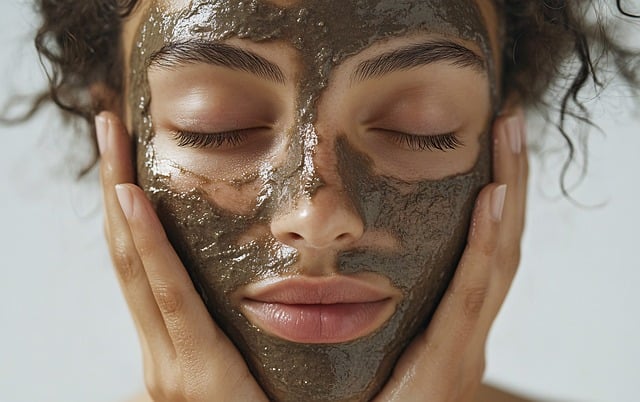
Is your skin feeling parched, tight, or just plain thirsty? While serums and moisturizers are excellent daily hydrators, sometimes your skin needs an extra push to truly absorb and retain moisture. Enter the wet dressing technique – a simple yet incredibly effective method to supercharge your skin's hydration levels. Far from a complicated spa treatment, this technique can be easily incorporated into your at-home routine, offering a welcome reprieve for dry, compromised skin.
At its core, the wet dressing technique involves applying a hydrating product to your skin and then covering it with a damp, occlusive layer. Think of it as a mini, personalized humidity chamber for your face. Here's a breakdown of the process. Begin with a freshly cleansed face, ideally slightly damp. Next, generously apply your chosen hydrating product. This could be a thick moisturizer, a hydrating serum, or even a specialized barrier cream. The key is to use something rich and beneficial for your skin. Then take a clean, soft cloth – a thin cotton sheet mask, a piece of gauze, or even a soft washcloth works well – and dampen it with lukewarm water. Wring it out so it's moist but not dripping.
Gently lay the damp cloth over your face, ensuring it makes good contact with your skin. You can cut holes for your eyes, nose, and mouth for comfort. For an even more intense hydration boost, you can place a layer of plastic wrap or a silicone sheet mask over the damp cloth. This creates a true occlusive barrier, preventing the water from evaporating and driving the hydrating ingredients deeper into your skin. Leave the wet dressing on for 15-30 minutes. Use this time to relax, read, or simply enjoy the feeling of your skin soaking up the moisture. Finally, gently remove the dressing. Your skin will likely feel incredibly plump and dewy. Gently pat in any remaining product and follow up with a light moisturizer or facial oil to seal in the hydration.
The magic of this technique lies in its ability to create an occlusive environment. By covering the skin with a damp material, you prevent transepidermal water loss (TEWL), which is the natural evaporation of water from your skin. The dampness of the cloth also helps to soften the stratum corneum (the outermost layer of your skin), making it more receptive to absorbing the hydrating ingredients you've applied. The added layer of plastic wrap further enhances this effect, essentially trapping the moisture and creating a prolonged period of optimal hydration.
You might wonder if this technique is effective? Absolutely! The wet dressing technique is widely regarded as an effective method for boosting skin hydration, especially for individuals with very dry, compromised, or sensitized skin conditions like eczema or rosacea. Dermatologists often recommend similar "wet wrap therapy" for these conditions to help repair the skin barrier and reduce inflammation.
For general skin dryness, it provides an immediate and noticeable improvement in skin plumpness, softness, and overall hydration. It can help diminish the appearance of fine lines caused by dehydration and give your complexion a healthy, radiant glow.
The pros of this method include the ability to deliver a powerful surge of moisture to dry skin. It helps your serums and moisturizers penetrate more effectively. It can be incredibly calming for red, irritated, or inflamed skin. In addition, regular use can help strengthen the skin's natural protective barrier. It uses products you likely already own, requiring minimal extra investment. This technique often immediate and noticeable improvements in skin texture and appearance.
On the other hand, this technique requires 15-30 minutes of dedicated time. It can feel messy due to the damp cloth and optional plastic wrap. If the skin is already inflamed or if an irritating product is used underneath, the occlusion can exacerbate the issue. Always patch test new products and be mindful of your skin's sensitivity. This is not for everyone. Individuals with very oily or acne-prone skin might find it too occlusive, potentially leading to breakouts. However, even those with oily skin can benefit from occasional targeted hydration on dry patches.
This wet dressing technique is a powerful one to have in your skincare arsenal as it offers you a great way to drench your skin in much-needed moisture. If you're battling dryness, dullness, or simply crave that plump, dewy look, give this technique a try. Your skin will thank you for it! Let me know what you think, I'd love to hear. Have a great day.

